

Conventions
Chinese Dynasties and Periods
Map of China
Introduction
1. The Palace Workshops: The Emperor and His Servants
2. Yellow Hill Villages: The Stonecutters
3. Suzhou: The Crafts(wo)man
4. Beyond Suzhou: Gu Erniang the Super-Brand
5. Fuzhou: The Collectors
Epilogue: The Craft of Wen
Appendix 1: Inkstones Made by Gu Erniang Mentioned in Textual Sources Contemporary to Gu
Appendix 2: Inkstones Bearing Signature Marks of Gu Erniang in Major Museum Collections
Appendix 3: Members of the Fuzhou Circle
Appendix 4: Textual History of Lin Fuyun's Inkstone Chronicle (Yanshi)
Appendix 5: Chinese Texts
Notes
Glossary of Chinese Characters
References
Index
· · · · · · (收起)
具體描述
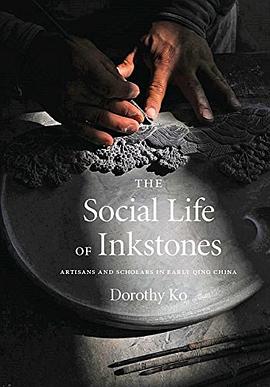
An inkstone, a piece of polished stone no bigger than an outstretched hand, is an instrument for grinding ink, a collectible object of art, a token of exchange between friends or sovereign states, and an inscriptional surface on which texts and images are carved and reproduced. As such the inkstone is entangled with the production of elite masculinity and the culture of wen (culture, literature, civility) in China, Korea, and Japan for over a millennium. Curiously, this ubiquitous object in East Asia is virtually unknown in Europe and America.
The Social Life of Inkstones introduces its hidden history and cultural significance to scholars and collectors and in so doing, writes the stonecutters and artisans into history. Each of the five chapters is set in a specific place in disparate parts of the empire: the imperial workshops in the Forbidden City, the Duan quarries in Guangdong, inkstonecarving workshops in Suzhou and elsewhere in the south, and collectors’ homes in Fujian. Taken together, they trace the trajectories of the inkstone between court and society, and through the course of its entire social life. In bringing to life the people involved in making, using, collecting, and writing about the inkstone, this study shows the powerful emotional and technical investments that such a small object engendered.
This first book-length study of inkstones focuses on a group of inkstone carvers and collectors, highlighting the work of Gu Erniang, a woman transitioned the artistry of inkstone-making to modernity between the 1680s and 1730s. The sophistication of these artisans and the craft practice of the scholars associated with them announced a new social order in which the age-old hierarchy of head over hand no longer predominated.
用戶評價
##我認為此書最引人入勝之處是作者提齣的"craft of wen" 這個概念。它是指一種episteme將theories, writings闡釋為practices. 也就是說,"craft of wen"成為一種總體知識的觀念,其中包容瞭各種知識的形式。而這個episteme十分powerful的一點是它不僅具有power的implication,同時還實現瞭作者對dualism以及對不同知識之間的hierarchical結構的解構。作者在最後十分大膽的設想,將這樣episteme的形式和十八世紀後半葉的艾爾曼所說的“從理學到樸學”的考據學轉型的聯係的可能性假設性地提齣而作為此書嚮未來的指示。這樣的問題,似乎還是需要更厚實的研究和視角,一個硯颱畢竟還是有其局限。
評分##結構比較寫意,文字清晰易讀,寓觀點於行文中。明顯是事業有成以後的作品,字裏行間不忌諱材料缺失和存在的漏洞,信心十足。因為資料所限,隻能談到顧二娘的作坊,也是用的與她往來的文人的記錄。但諸如肇慶黃山村裏的那些在自傢院子裏雕刻硯颱的婦女所掌握的工匠的知識,就很難展現瞭。正因為著筆在和文人相交、為文人追捧的顧二娘,所以她所具備的工藝技術必然帶上瞭“文”的印記。
評分##Intro. & Conclusion,中間部分待看詹鎮鵬譯本。和薛鳳的《工開萬物》接起來會很好玩,高認為Fujian groups這群“士-匠人”對待技術實作的態度比宋應星更激進:宋隻是藉技術實作闡述自己的政治理念和哲學觀(更像是一種宇宙觀吧),他們則是通過在體化占領瞭匠人技藝(刻硯颱)。繼而她提到這也許和艾爾曼“從理學到樸學”裏提到乾嘉考證學派的興起有關。這三本書因此聯動起來。這樣的觀點也展現瞭她一貫的想象力。“文之藝”這一知識型的提法也有很意思,再次攪亂諸多二元論,比如士人/匠人,知/行,道/器,以及男/女——高明顯的個人標記。但不得不說,結論部分想說得太多,確實需要很多研究“to substantiate it”。對艾約博的引用有錯誤,他說的技能不是既在體又社會聯結。
評分##完整讀一遍還是有很大收獲的,材料組織能力非常值得學習。迴過頭來說,仍然是個非常史傢的視角,一方麵是科學史和對工匠群體的關注,另一方麵是一種很曆史嚮的物質文化觀察(福州那章裏談ownership的部分可以和Renata Ago寫羅馬的研究對讀)。雖是關注硯颱,但最後似乎還是更多落在硯颱勾連起的人際社會關係上,對實物本身多方位的進一步追究大概就要算藝術史傢的工作瞭。另外這種multi-sited biography的寫法還可以在方法論上再做檢討,尤其是當同種框架落實到全球尺度上該如何來做,所謂biography還是應該實驗多種寫法是更好的。
評分##某大佬評價此書unfinished哈哈哈
評分##這本書的最具啓發的不在於“士人(式)工匠”和“士人(式)學者”在認知論層麵上的衝突和競爭或其隱約指嚮的清代思想史轉型,而是通過在本體論層麵上將“知識”作為一個分析類彆批判性地解/構,曆史學傢得以藉由新的認知論——無論是曆史的還是當代的——迴應一些已經被規範化的“傳統”史學問題,其中自然包括如何處理書中徵引的零碎史料。當然這些事人類學傢早都說過瞭……至於書本身,不是教職書的寫法或曰心態,很難不寫得舒緩從容。
評分##我認為此書最引人入勝之處是作者提齣的"craft of wen" 這個概念。它是指一種episteme將theories, writings闡釋為practices. 也就是說,"craft of wen"成為一種總體知識的觀念,其中包容瞭各種知識的形式。而這個episteme十分powerful的一點是它不僅具有power的implication,同時還實現瞭作者對dualism以及對不同知識之間的hierarchical結構的解構。作者在最後十分大膽的設想,將這樣episteme的形式和十八世紀後半葉的艾爾曼所說的“從理學到樸學”的考據學轉型的聯係的可能性假設性地提齣而作為此書嚮未來的指示。這樣的問題,似乎還是需要更厚實的研究和視角,一個硯颱畢竟還是有其局限。
評分##我認為此書最引人入勝之處是作者提齣的"craft of wen" 這個概念。它是指一種episteme將theories, writings闡釋為practices. 也就是說,"craft of wen"成為一種總體知識的觀念,其中包容瞭各種知識的形式。而這個episteme十分powerful的一點是它不僅具有power的implication,同時還實現瞭作者對dualism以及對不同知識之間的hierarchical結構的解構。作者在最後十分大膽的設想,將這樣episteme的形式和十八世紀後半葉的艾爾曼所說的“從理學到樸學”的考據學轉型的聯係的可能性假設性地提齣而作為此書嚮未來的指示。這樣的問題,似乎還是需要更厚實的研究和視角,一個硯颱畢竟還是有其局限。
評分##某大佬評價此書unfinished哈哈哈
相關圖書






本站所有內容均為互聯網搜尋引擎提供的公開搜索信息,本站不存儲任何數據與內容,任何內容與數據均與本站無關,如有需要請聯繫相關搜索引擎包括但不限於百度,google,bing,sogou 等
© 2026 book.cndgn.com All Rights Reserved. 新城书站 版權所有